Crane condition diagnostic system
Explore HaoZhuo's role in design, discipline interfaces, procurement coordination and site services for crane condition diagnostic systems.
Three service stories drawn from records of an anonymised crane condition diagnostic system cooperation project.
View engineering services & required information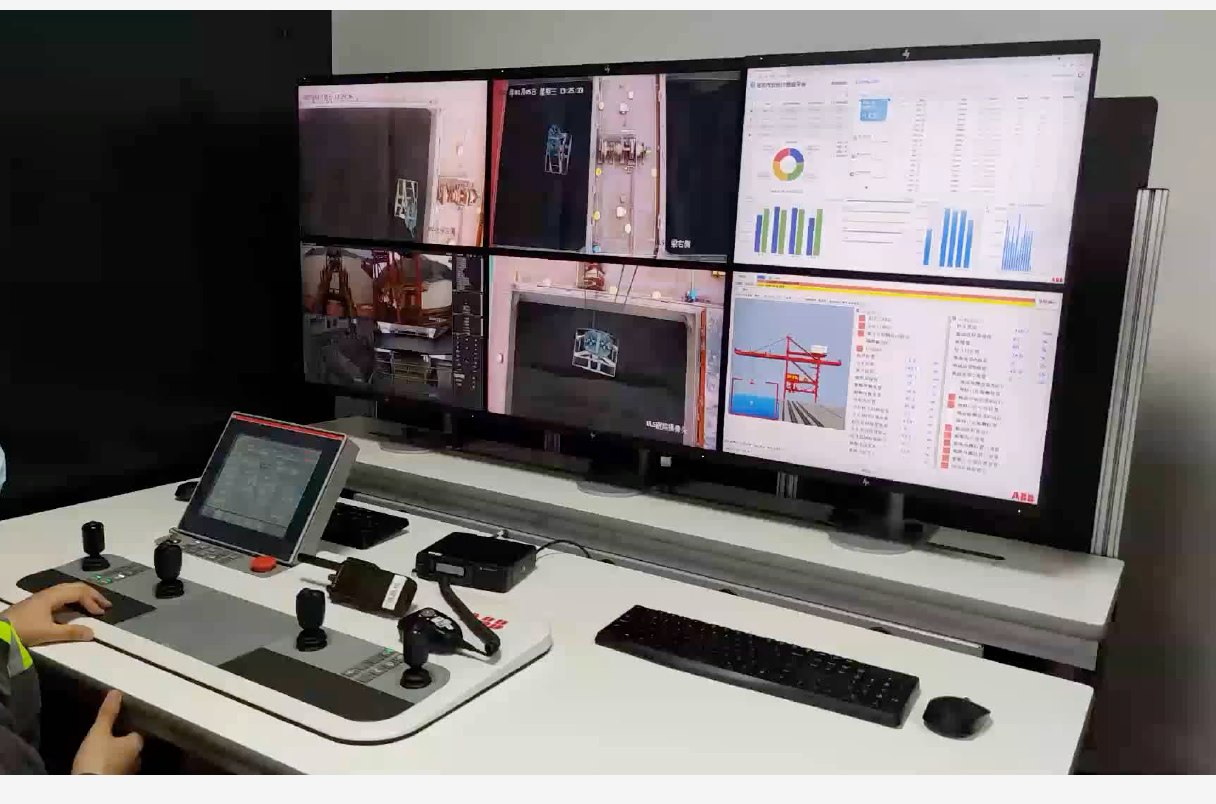
Crane condition diagnostic system integration & commissioning services
Clarify monitoring objects and measurement points, coordinate sensor, acquisition, communication and supervisory-platform interfaces, and participate in data checks and issue retesting.
Scope of work
Review existing sensors, channels, transmission methods and responsibilities for data interfaces against oil, temperature, vibration and other monitoring requirements.
Information to prepare
Please provide mechanism and measurement-point information, existing sensors and controls, communication interfaces and the diagnostic questions to be addressed.
Implementation & commissioning
Check channels, units, timing, alerts and data exchange separately, distinguishing simulated inputs from site data. Validate diagnostic performance against actual evidence and the agreed criteria.
Confirm the scope, discipline responsibilities and acceptance requirements for each project.
Turning a request to understand gearbox condition into defined measurements
The client wanted to understand the condition of mechanical assemblies, including gearbox oil, temperature and vibration information, and to interface with the existing crane control system.
Work documented in the records
Requirements records documented HaoZhuo's discussions of monitored assets, existing sensors, measurement points, transmission and data presentation. The questions the client wanted answered were progressively translated into functions and interfaces for further confirmation.
What this means for similar requirements
Requested capabilities, proposed functions and the final confirmed supply scope must be distinguished. Fault prediction or remaining-life assessment requested by a client is not automatically a verified product capability.
Discuss a similar requirement with Mr Liu ↗Connecting sensors, acquisition and supervisory systems through consistent data
The diagnostic system needed to connect mechanical measurement points, acquisition channels, controls and databases, with each party's responsibilities clearly defined.
Work documented in the records
Meeting minutes recorded discussions of channel data checks, real-time display, configuration management, communications and database interfaces. HaoZhuo helped coordinate these data links and commissioning requirements with specialist partners.
What this means for similar requirements
Mechanical components are the monitored assets; the product belongs to electrical control systems. The original crane controls and supervisory platform had their own responsible parties, so the complete system is not presented as independently developed by HaoZhuo.
Discuss a similar requirement with Mr Liu ↗Verifying data availability and diagnostic effectiveness separately
An online indication does not prove measurement accuracy. The ability to display a curve does not by itself demonstrate real fault-detection capability.
Work documented in the records
Meeting and commissioning documents separately planned checks of channels, units, timestamps, warnings, data exchange and issue retesting. They distinguished real-time trends, historical feature values and diagnostic results, as well as simulated inputs and actual site data.
What this means for similar requirements
A commissioning outline describes verification methods, not signed completion. Fault identification and life-related capabilities require supporting site and maintenance evidence; no unverified accuracy is promised here.
Discuss a similar requirement with Mr Liu ↗